COLORADO STORIES
Native Nations of Colorado
History, homelands and living cultures
Start with Colorado’s two resident Tribal Nations, follow the history across the plains and mountains, and find places to learn directly from Native communities.
Explore the guide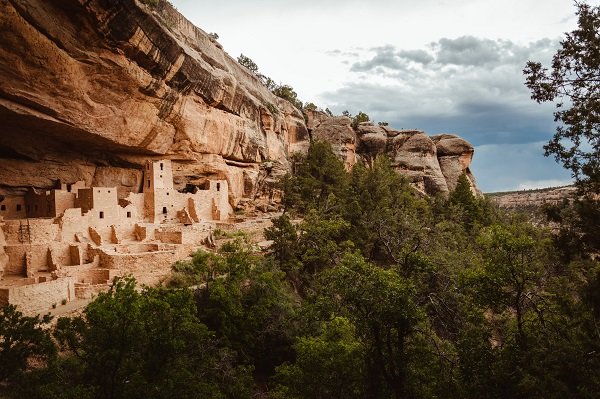
Tribal Nations in Colorado today
The Southern Ute Indian Tribe and the Ute Mountain Ute Tribe are the two federally recognized Tribal Nations with reservations within Colorado. At least 46 other federally recognized Tribal Nations have historical and cultural ties to the state. Colorado is also home to people from many Tribal Nations whose governments are based elsewhere.
Southern Ute Indian Tribe
Headquartered in Ignacio, this sovereign nation governs the Southern Ute Indian Reservation. Its Cultural Center and Museum tells Southern Ute history and culture in the tribe’s own words.
Ute Mountain Ute Tribe
Headquartered in Towaoc, the tribe includes the Weenuche band of the Ute people. The tribe manages Ute Mountain Tribal Park and offers guided visits on tribal lands near the Four Corners.
Colorado General Assembly’s recognition of Tribal Nations with ties to Colorado
Ancestral homelands across Colorado
Indigenous peoples have lived across what is now Colorado since time immemorial. Ute homelands span the Rocky Mountains and neighboring regions. Cheyenne and Arapaho histories are closely tied to the eastern plains. Apache, Comanche and Kiowa nations also have historical ties to Colorado, and Diné, Shoshone and Pueblo peoples are part of the wider regional story.
In the southwest, the Ancestral Pueblo people built communities on the mesas and in the alcoves at Mesa Verde. The Hopi Tribe, Pueblo of Zuni and other Pueblo communities have enduring connections to these places. The National Park Service recognizes 26 associated Tribal Nations at Mesa Verde.
Mesa Verde’s peoples and history · Mesa Verde’s associated Tribes
Ute history, routes and traditions
Southern Ute oral history describes the Ute people living in their homelands since the beginning of time. Different Ute bands traveled established routes between mountains and valleys. The tribe’s history identifies a surviving portion of the Ute Trail in the forests of Grand Mesa.
Chief Ouray
Ouray was a Ute leader and diplomat who negotiated with the U.S. government as settlers and federal policies put increasing pressure on Ute lands. The town of Ouray bears his name.
The Bear Dance
The Bear Dance is a living Ute spring tradition. The Southern Ute Indian Tribe shares its origin story and posts visitor information for its event in Ignacio.
Southern Ute history · Southern Ute Bear Dance · Chief Ouray at Colorado Encyclopedia
What happened at Sand Creek?
On November 29, 1864, Colorado volunteer soldiers attacked a Cheyenne and Arapaho encampment along Big Sandy Creek in southeastern Colorado. The National Park Service records about 230 people killed, many of them women and children. The historic site protects the landscape and tells the story of the massacre and its effects on Cheyenne and Arapaho communities.
Indigenous names on the Colorado map
As you drive through Colorado, look for Ouray, named for the Ute leader, and Arapahoe County, named for the Arapaho people. Kiowa and Comanche National Grassland carry the names of Southern Plains peoples. Ute Pass near Colorado Springs recalls the Ute people’s long use of mountain routes.
Visiting tribal lands and cultural sites
Start with sites that welcome the public. On tribal lands, follow the host’s guidance on public access and ask before photographing people, ceremonies or cultural objects. Leave artifacts where you find them.
Where to learn and visit
Southern Ute Cultural Center and Museum
Start in Ignacio for exhibits on Southern Ute history and living traditions. Check the museum’s calendar before visiting.
Ute Mountain Tribal Park
Book a guided visit for Ute perspectives on the area’s history, rock imagery and Ancestral Pueblo sites. The park requires a Ute guide.
Mesa Verde National Park
Explore mesa-top sites and cliff dwellings near Cortez and Mancos. Check access and tour reservations before setting out.
Sand Creek Massacre National Historic Site
Visit the protected landscape near Eads to learn about the attack and remember those who died. Check the site hours before driving out.