COLORADO STORIES
Lark bunting.Meet Colorado’s state bird.
Back in 1931, Colorado schoolkids cast their votes for the state's feathered mascot — and the Lark Bunting strutted into first place!
Explore the guide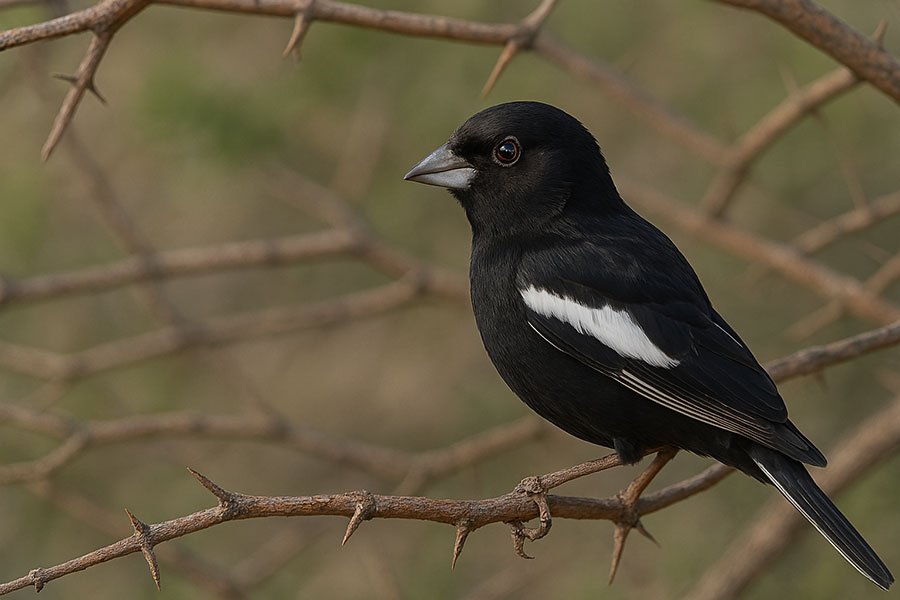
Quick Facts
- Common Name: Lark Bunting
- Scientific Name: Calamospiza melanocorys
- Designated: State Bird of Colorado in 1931
- Habitat: Open grasslands, prairies, and shrublands
- Size: 5–7 inches long with an 11-inch wingspan
- Family: Emberizidae (American Sparrows)
- Best Seen: Eastern Plains of Colorado, especially in spring and summer
- Migration: South to Texas and Mexico in fall and winter
Why Was the Lark Bunting Chosen?
Back in 1931, Colorado schoolkids cast their votes for the state's feathered mascot — and the Lark Bunting strutted into first place! This bird may not wear flashy colors like a parrot, but it’s got charisma, charm, and a song that'll melt your heart. With its jet-black breeding plumage, white wing flashes, and swooping courtship flight, the Lark Bunting is a natural-born performer. Plus, it’s a proud resident of Colorado’s open prairies, giving love to the often-overlooked eastern plains.
Other Native Colorado Birds Considered
- Mountain Bluebird: Gorgeous and high-flying, but more of a mountain town celebrity.
- Rufous Hummingbird: A zippy little gem, but just passes through on its travels.
- Peregrine Falcon: A speed demon of the sky — but found all over the globe.
- Western Bluebird: Pretty and sweet, but not as unique to Colorado.
- Gunnison Sage-Grouse: Seriously rare and cool, but only lives in a small area and wasn't well-known in 1931.
- Cooper’s Hawk: A fierce hunter, but maybe a little too intense for an official state symbol!
Where to Find Lark Buntings in Colorado
Grab your binoculars and head to the plains! You’ll likely spot a Lark Bunting in:
- Pawnee National Grassland
- Comanche National Grassland
- Roadsides and ranch lands in Yuma, Baca, Kit Carson, and Logan counties
- Rolling prairies and wildflower-covered grasslands in late spring
Best Time: May to July, when they're singing and showing off their moves!
Behavior and Traits
- Plumage: Males rock a black-and-white tuxedo look during mating season.
- Displays: Sky-diving songs and aerial dances to attract mates.
- Nesting: Built right on the ground — sneakily tucked away in tall grass.
- Diet: Bugs, seeds, and anything they can peck up on the prairie buffet.
For Students, Teachers & Birdwatchers
- Perfect for school reports, wildlife lessons, and fun field trips.
- Study grassland ecosystems and compare prairie birds with mountain species.
- Top apps: Merlin Bird ID, Audubon Bird Guide – free and super helpful!
Cultural and Conservation Significance
This little bird has big meaning. The Lark Bunting was selected by a vote from Colorado schoolchildren — now that’s democracy in action! It stands for open spaces, wild beauty, and the need to protect prairie habitats from vanishing beneath plows and pavement.
Frequently Asked Questions
- Q: Why not choose a mountain bird?A: The Lark Bunting shines a spotlight on Colorado’s prairie regions, not just the Rockies.
- Q: Is the Lark Bunting endangered?A: Not currently, but prairie habitat loss is a growing concern.
- Q: Can I attract Lark Buntings to my yard?A: If you live near open land, native grasses may help — but remember, these birds are wild and protected!
Learn More
- Colorado Parks & Wildlife – Birding Guide
- Audubon Colorado
- US Forest Service – Grasslands Info
- Cornell Lab – Lark Bunting Profile
What to Bring for Birding
- Binoculars (a must!)
- Camera with zoom for those mid-flight shots
- Water, sunscreen, and a wide-brim hat
- Field guide or birding app
- Comfy walking shoes — prairies can go on for miles
Share Your Lark Bunting Adventures!
Have an epic photo of a Lark Bunting mid-song, mid-flight, or just looking fabulous in the wild? We'd love to see it! Tag @OpenRoadColorado on Instagram, Facebook, or Twitter with your best bird shots for a chance to be featured in our next wildlife roundup. Let’s show off Colorado’s state bird in style!