CHOOSE YOUR WAY UP
Pikes Peak.Take the high road.
Pikes Peak rises above Colorado Springs to 14,115 feet, with a paved mountain road, a cog railway and demanding hiking routes reaching the summit.
Plan your visit
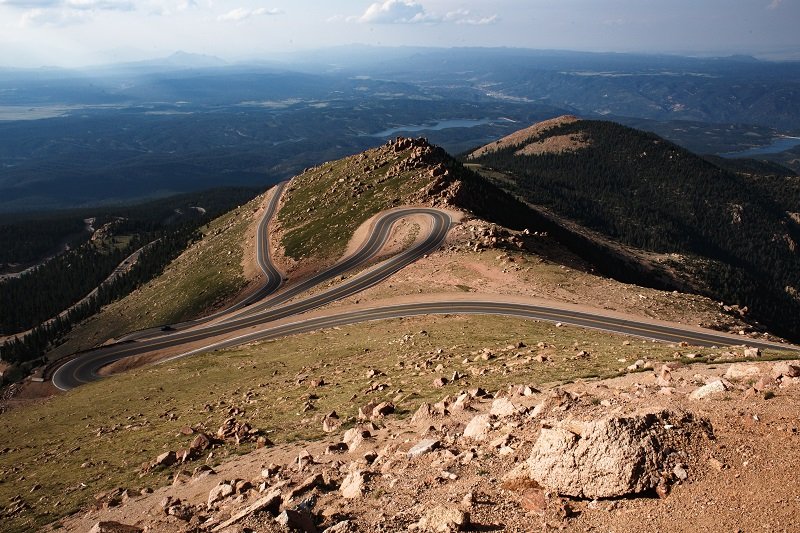
Photo 1 of 2
Pikes Peak rises above Colorado Springs to 14,115 feet, with a paved mountain road, a cog railway and demanding hiking routes reaching the summit. How you get there shapes the entire visit. Driving gives you more control over stops. The train handles the ascent while you watch the scenery. Hiking makes the mountain a full backcountry undertaking.
Start by choosing your route, then check access and weather for that route. A train ticket, a highway reservation and a trailhead parking payment serve different purposes. None guarantees clear skies or an open summit. For the wider area, start with our Colorado Springs guide.
Visitor information reviewed November 15, 2026. Check the linked operators for current conditions, schedules and prices.
Choose your way up
| Experience | Best fit | Time to set aside | Main consideration |
|---|---|---|---|
| Pikes Peak Highway | Scenic stops and a flexible pace | Allow roughly half a day from the gateway, including stops | Seasonal reservations, road conditions and a steep descent |
| Cog Railway | A mountain visit without driving the highway | About three hours on the round trip, plus arrival and parking time | Fixed departure and return schedule; reserve ahead |
| Summit hike | Experienced hikers prepared for sustained climbing | A full day or an overnight plan, depending on route and ability | Weather, altitude, navigation and a reliable descent plan |
These are planning allowances, not arrival guarantees. Leave more room in the day when traveling with children, taking frequent breaks or arranging accessible transportation.
Sources: USFS mountain overview; Cog ride information.
Driving, tickets and directions
The highway begins in Cascade, reached from US 24 west of Colorado Springs. Its 19 paved miles climb through forest into exposed alpine terrain. Use the highway gateway as your navigation destination, rather than treating a summit map pin as the start of the drive. Our Pikes Peak location guide covers the broader setting.
Highway admission and a timed-entry permit are separate items when the reservation system is in effect. Confirm the seasonal requirement, available entry time and current price through Drive Pikes Peak. Check the mountain's road-condition line, 719-385-7325, before setting out. The road operates year-round when conditions allow, but snow, wind and other restrictions can stop access below the summit.
Start with sufficient fuel and use low gear on the descent. Follow ranger instructions at the brake-check station. Trailers are prohibited, and larger vehicles have additional limits; verify your vehicle before bringing an RV. Do not walk along the highway as a substitute for a hiking trail.
Sources: USFS mountain access; City driving essentials; City reservation FAQ.
Taking the Cog Railway
The train leaves from 515 Ruxton Avenue in Manitou Springs. Purchase tickets ahead and allow extra time for parking and boarding. The railway operates throughout the year, although schedules and summit access depend on conditions. A typical round trip includes approximately 40 minutes at the top.
The fixed schedule matters. Decide what you want to do at the summit before getting off, and return for your assigned departure. There are no restrooms onboard; use the depot facilities before boarding. Pets are not permitted on the train. Service animals follow the operator's separate policy.
If you plan to hike, do not rely on buying a downhill ticket at the summit. The railway says one-way downhill places may be offered but are extremely limited and not guaranteed. Arrange a dependable return plan before beginning the hike.
Sources: Cog trip overview; Cog FAQ; ticket terms.
Accessibility and a manageable summit visit
The Summit Visitor Center provides accessible indoor facilities, elevators and an exterior interpretive walkway. That gives visitors a way to experience the summit without taking a mountain trail. Snow, ice, wind and altitude can still affect a visit, including one that involves very little walking.
Wheelchair and walker users taking the Cog should call its ticket office at 719-685-5401 to reserve accessible seating. Space is limited and is not booked through the ordinary online seat selection. Discuss the mobility device and boarding needs directly with the operator before selecting a departure.
For the highway, ask staff about current accessible parking and the route from your parking space to the building. Do not assume every roadside overlook has a firm, level approach. The summit walkway's accessibility does not extend to Barr Trail or Devils Playground. Visitors who need a quieter pace can prioritize one viewpoint and the indoor exhibits instead of attempting every outdoor stop.
Sources: summit accessibility; summit facilities; Cog accessible seating.
Hiking routes and shorter alternatives
Swipe to compare trails. Keyboard users can focus the cards and scroll horizontally.
Manitou Springs approach
Barr Trail
12.6 miles one way
- Ascent
- About 7,500 feet
- Difficulty and surface
- Strenuous sustained climbing on dirt and rock, from forest into exposed alpine terrain.
- Time
- The Cog hiking guide estimates 6–10 hours uphill. USFS describes roughly 16 hours round trip and cautions against a one-day round trip for hikers unaccustomed to the route and altitude.
- Trailhead
- Above the Cog depot in Manitou Springs. Paid Barr Lot parking is for Barr Trail and Barr Camp users.
West-side summit route
Devils Playground
About 14 miles round trip
- Ascent
- Approximately 4,300 feet
- Difficulty and surface
- Hard summit hike with rocky footing, sustained climbing and exposed alpine sections.
- Time
- Allow a full day. Set your turnaround time using the weather, remaining distance and your group's pace.
- Trailhead
- Crags Trailhead near Divide. Check Forest Road 383 access and notices about trail work.
Rock formations, no summit
The Crags
Roughly 5 miles out and back
- Elevation change
- About 800 feet; not a measured total ascent.
- Difficulty and surface
- Moderate unpaved trail to rock formations. Uneven ground makes this different from the accessible summit walkway.
- Time
- Allow 3–4 hours as an editorial planning estimate, with more time for breaks.
- Trailhead
- Crags Trailhead. This route separates from Devils Playground and does not reach Pikes Peak's summit.
Barr Trail begins above the Cog depot in Manitou Springs. Trailhead parking is paid, and the Barr Lot is reserved for Barr Trail and Barr Camp users. Barr Camp offers a possible overnight break, with advance arrangements required for lodging.
On the west side, follow signs carefully where the Crags and Devils Playground routes separate. Trail work and reroutes can change the alignment. Forest Road 383 normally closes from December 1 through June 1, sometimes longer for snow; a closed road changes the approach distance. Check the Forest Service's active notices before planning either hike.
Carry navigation, warm and waterproof layers, food, water and treatment equipment where needed. Start early and set a turnaround time that accounts for weather and descent. A shorter distance does not make Devils Playground an easy summit. See our Manitou Incline guide for that separate, strenuous local hike.
Sources: Barr Trail; Barr route measurements; hiking time; Colorado Fourteeners Initiative route measurements; Devils Playground trail work; Crags access; Barr parking.
When to visit
Summer
Plan ahead for reservations and allow time for traffic. Afternoon thunderstorms make an early hiking start important, but an early start alone does not make exposed terrain safe. Check the mountain forecast and leave exposed areas before storms develop.
Fall
Build flexibility into a foliage trip. The lower slopes and the summit can have very different conditions, and shorter daylight leaves less margin for a long hike. Choose your summit day around the forecast rather than a fixed photo schedule.
Winter
The road and railway may operate, but reaching the top is weather dependent. Treat snowy summit trails as winter backcountry routes requiring appropriate skills and equipment. A lower-elevation destination can be the better day's outing.
Spring
Do not use warm weather in Colorado Springs as a measure of conditions above treeline. Check snow coverage and west-side road access before committing to a trail. Keep a nearby alternative ready if the summit closes.
Sources: NWS summit forecast; NWS outdoor lightning guidance; USFS access.
At the summit

Explore the interpretive exhibits, take in the views from the walkway and leave time for a warm drink or the well-known summit donuts. The visitor center has restrooms, water refill stations and indoor dining. Dining and retail are cashless, so bring a suitable payment method.
The mountain's story reaches far beyond a scenic drive. The Colorado Springs Pioneers Museum describes the Ute people's longstanding relationship with Sun Mountain. Katharine Lee Bates' 1893 visit inspired “America the Beautiful.” The Pikes Peak International Hill Climb began in 1916; its 12.42-mile race course uses part of the highway, not the entire gateway-to-summit drive. Check the official event calendar if your visit overlaps race activities.
Sources: summit visitor center; local history; Hill Climb history.
Dogs, wildlife and mountain conditions
Keep dogs leashed where required and bring water and waste bags. The highway and North Slope rules differ from train rules: pets are allowed in designated outdoor areas, but are not permitted on the Cog. At North Slope reservoirs, pets must stay out of the water. Confirm building and service-animal access with the operator.
Leave wildlife space and keep food secured. Stay on established paths across the alpine tundra. Warm layers belong in the car as well as the hiking pack. Altitude can affect visitors arriving by road or rail too; feeling unwell is a reason to stop climbing and descend, not to push through for a photograph.
Sources: North Slope rules; Cog FAQ; City safety guidance.
Camping, lodging and the rest of the trip
Barr Camp is a hike-in overnight option on Barr Trail, with no road access. The Crags Campground serves the west side of the mountain and operates seasonally on a first-come basis. Its rough access road and small sites make it a different choice from a full-service RV park. Check current opening status, site suitability and restrictions before arriving.
The North Slope Recreation Area also has seasonal fishing, hiking and mountain biking. Check its current access, activity rules and permits before making it part of the day. Camping is prohibited in the North Slope Recreation Area. Reservoir picnic areas should not be treated as overnight campsites. For a hotel or cabin stay, choose your base around the route: Manitou Springs for the Cog and Barr Trail, Cascade for the highway, or the Divide area for west-side trails. Confirm the individual property's access and pet policies.
Give the region another day if you can. Our Garden of the Gods guide and Colorado Springs guide help connect the mountain with lower-elevation sightseeing, food stops and other local activities. Use the Colorado Adventure Blog to choose your next destination across the state.
Sources: Barr Camp; Crags Campground; North Slope rules.
Common planning questions
Is Pikes Peak a national park?
No. Pikes Peak Highway admission is separate, and the America the Beautiful pass does not cover it.
Can I visit without hiking?
Yes. The highway and Cog reach the summit when conditions permit. Arrange accessible seating directly with the Cog if needed.
Can I fit this into a quick stop?
Plan a substantial part of the day for road or rail. A summit hike needs its own carefully planned itinerary.
Source: USFS Pikes Peak information.
Keep exploring
Pingback: Wildlife & Fall Photography Around Colorado Springs
Pingback: Fishing & River Days Near Colorado Springs
Pingback: Hiking & Biking Around Colorado Springs
Pingback: Winter Recreation Around Colorado Springs
Pingback: Garden of the Gods: Trails, Accessibility & Visitor Guide