🌲 Colorado Blue Spruce – The Official State Tree of Colorado
By Open Road Colorado | Colorado Fun Facts & History
Updated April 2025 | Perfect for Students, Nature Lovers & Colorado History Buffs!
🌿 Meet the Colorado Blue Spruce – Colorado’s Evergreen Icon
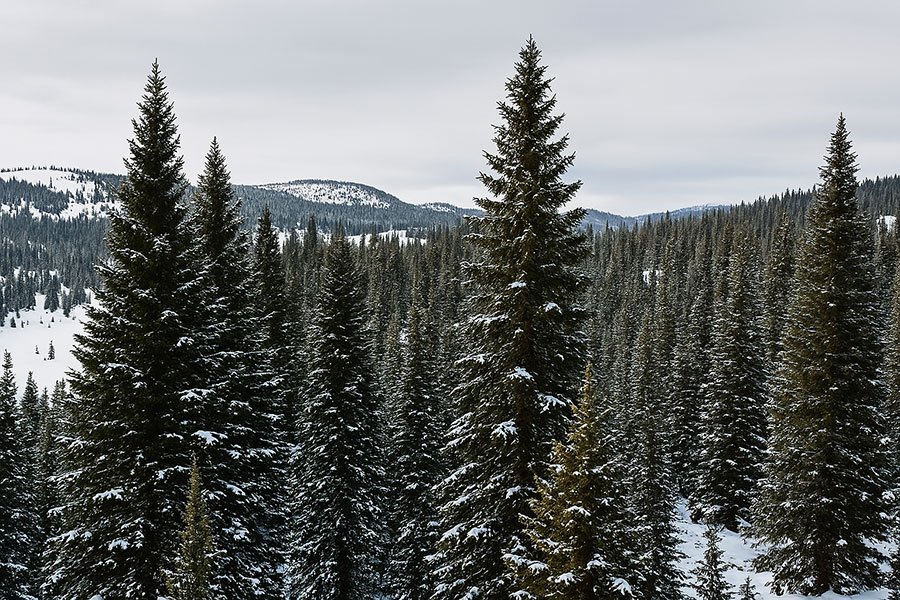
Chosen as the official State Tree of Colorado in 1939, the Colorado Blue Spruce (Picea pungens) is known for its icy blue needles, perfect triangle shape, and long lifespan. It’s native to the central and southern Rocky Mountains and is loved not only for its beauty, but also for its strength in surviving tough mountain conditions.
These trees can grow 50 to 130 feet tall, with a mature width of up to 30 feet. They grow naturally in cool, moist mountain valleys between 6,000 and 11,500 feet in elevation and can live up to 600 years in the wild!
🎄 Why the Blue Spruce is a Top Pick for Christmas Trees
The Colorado Blue Spruce is one of the most popular live Christmas trees in North America. Here’s why:
- Beautiful shape – Its symmetrical, pyramidal shape looks like a classic holiday tree.
- Strong branches – Great for holding ornaments and decorations.
- Pleasant scent – Releases a fresh, piney aroma.
- Color variety – Ranges from silvery blue to deep green.
- Needle retention – Keeps needles longer than other species when cut.
🌄 Tree Line Elevation and Why Spruce Don’t Grow Above It
In Colorado, the tree line (the highest elevation where trees can grow) is typically around 11,500 to 12,000 feet, though it can vary depending on slope and exposure. Above this elevation, harsh alpine conditions like extreme cold, high winds, poor soil, and short growing seasons prevent trees from surviving.
That’s why you’ll never see the Blue Spruce—or any tree—growing on the barren tundra of Colorado’s tallest peaks. Instead, these areas are covered with low-lying shrubs, grasses, and wildflowers.
🌲 Other Trees Found in Colorado
Colorado is home to a wide variety of trees. Besides the Blue Spruce, some other important native species include:
- Quaking Aspen – Known for their shimmering leaves and white bark.
- Douglas Fir – Tall, shade-tolerant evergreens found in moist forests.
- Ponderosa Pine – Common in foothills with long needles and cinnamon-colored bark.
- Lodgepole Pine – Straight, tall trees often found in higher elevations.
- Engelmann Spruce & Subalpine Fir – Found near the tree line with narrow, spire-like shapes.
🧠 Fun Facts for Students
- 🧬 The blue color of Blue Spruce needles comes from a natural wax that protects the tree from water loss.
- 🌧️ It prefers cool, moist environments, but is also planted in dry regions for landscaping.
- 🌍 Though native to Colorado, it’s now planted in all 50 states and even in Europe!
- 📜 It was officially declared the state tree after a statewide vote by Colorado schoolchildren in the 1930s.
- 🐿️ Provides food and shelter for birds, squirrels, and other mountain wildlife.
🏞️ Where to Spot the Colorado Blue Spruce in Nature
To see a Blue Spruce in its natural environment, head to:
- Rocky Mountain National Park
- Pikes Peak Region
- San Juan Mountains
- Gunnison and White River National Forests
- Mesa Verde and Black Canyon of the Gunnison National Parks
Look near creeks, mountain canyons, and north-facing slopes between 6,000 and 11,500 feet in elevation.
📚 Common Questions Answered
How long do Colorado Blue Spruce trees live?
In ideal mountain conditions, they can live 200 to 600 years!
Why don’t Blue Spruce trees grow above tree line?
The alpine climate above the tree line is too harsh—freezing temps, strong winds, poor soil, and short summers make it impossible for trees to survive.
Can I plant a Blue Spruce in my yard?
Yes! They’re widely available at nurseries and grow well in full sun with well-drained soil—just make sure you have room for it to grow tall and wide.
Do Blue Spruce trees produce cones?
Yes! They produce cylindrical, light brown cones that hang downward from branches.
Share Colorado State Tree on Social -
More Fun Facts About Colorado

Denver: Biggest City in Colorado – Fun Things to Do & More
Denver: The Biggest City in Colorado Denver, Colorado, known as the “Mile High City,” is the biggest city in Colorado by population and serves as the state’s vibrant capital. With a population of approximately 733,114 residents and a bustling metropolitan

Aquamarine: Colorado State Gemstone, Mines & Fun Facts
Aquamarine – Colorado State Gemstone Facts, Mines & History 💎 Aquamarine – The Official State Gemstone of Colorado By Open Road Colorado | Colorado Geology & Fun FactsUpdated April 2025 | Great for Students, Rockhounds & Gem Collectors 🏔️ What

Republic Plaza: Tallest Building in Colorado | Denver Landmark
🏙️ Republic Plaza: Colorado’s Tallest Building That Touches the Sky Explore the architectural crown of the Mile High City and discover what makes Republic Plaza more than just tall—it’s Denver’s vertical legacy. 📍 Location & Visitor Info Address: 370 17th

National Parks in Colorado – Explore the 4 Must-See Parks
Jump to a National Park Black Canyon Great Sand Dunes Rocky Mountain Mesa Verde 🏞️ National Parks in Colorado: Your Guide to the 4 Majestic Parks Category: Colorado National Parks, Fun Facts About Colorado | By: Open Road Colorado Last
Titan 1 Missile Silos in Colorado | Cold War History
Titan 1 Missile Silos | Cold War Nuclear History ☢️ Colorado Titan 1 Missile Complexes – Cold War History on the Plains Explore the underground legacy of Colorado’s intercontinental ballistic missile silos from the Cold War era. 🚀 A Hidden
More Fun Facts About Colorado

Central City, Colorado: Explore The Richest Square Mile on Earth | Top Things to Do
🏔️ Richest Square Mile on Earth – Central City, Colorado Central City, Colorado, located about 38 miles west of Denver, is famously known as “The Richest Square Mile on Earth.” During the Pikes Peak Gold

How Big is Colorado? Size, Shape & Fun Geography Facts
🏔️ How Big is Colorado? (Spoiler: Bigger Than You Think) Everything about Colorado feels massive—from our towering 14ers to wide-open skies—but have you ever stopped to wonder just how big the state really is? 📏
Hairstreak Butterfly – Colorado State Insect Guide & Facts
Colorado State Insect – The Hairstreak Butterfly Colorado State Insect – The Hairstreak Butterfly: Colorado’s Winged Jewel Quick Facts 📌 Common Name: Hairstreak Butterfly Scientific Name: Hypaurotis crysalus Designated: State Insect of Colorado in 1996

Lark Bunting – Colorado State Bird Facts, Photos & Where to See It
Colorado State Bird – The Lark Bunting 🪶 Colorado State Bird – The Lark Bunting: A Prairie Icon of the Centennial State Quick Facts 📌 Common Name: Lark Bunting Scientific Name: Calamospiza melanocorys Designated: State

When Did Colorado Become a State? | Statehood in 1876
Colorado Statehood: When Colorado Became a State in 1876 📅 When Did Colorado Become a State? Discover the Road to Statehood in 1876 From gold rush dreams to joining the Union—how Colorado earned its stars