🏃♂️🐴 Pack Burro Racing – The Official Sport of Colorado
You’ve heard of football, baseball, and maybe even curling—but in Colorado, we do things a little differently. Our official state sport?
Pack. Burro. Racing.
Yes, you read that right.
🎽 What Is Pack Burro Racing?
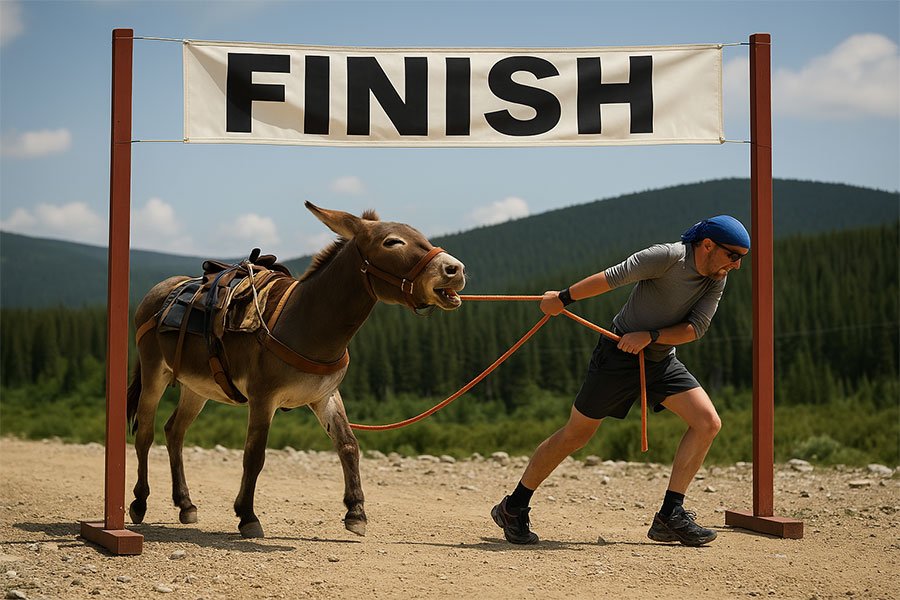
Pack Burro Racing is a uniquely Colorado tradition where runners race alongside a burro (a small donkey)—not ride it. Racers must run beside their burro, guiding it through rugged mountain trails, often over steep passes and rocky terrain. It’s part endurance race, part teamwork challenge, and completely Colorado.
🏔️ How It Started: Gold Rush Roots
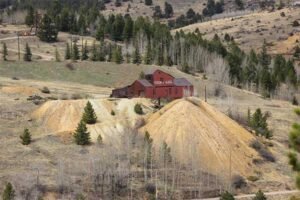
The sport originated during the Pikes Peak Gold Rush of the mid-1800s. Miners loaded their burros with gear and hiked into the mountains searching for gold. Legend says that when two prospectors struck gold at the same time, they raced each other back to town—burros and all. Thus, Pack Burro Racing was born.
📍 Where to See It: Fairplay Burro Days
Today, the most iconic race happens every July in Fairplay, Colorado during the annual Burro Days Festival. This celebration includes:
- A 29-mile race up and down Mosquito Pass
- Costumed burros and runners
- Parades, vendors, and small-town mountain charm
Other popular races are held in Leadville, Buena Vista, and Idaho Springs throughout summer.
🎓 Student Section: Why Is Pack Burro Racing the Official Sport?
❓ Is Pack Burro Racing really a sport?
Yes! It combines long-distance trail running with animal handling skills. Races often span 10–30 miles over high-altitude mountain terrain.
❓ When did it become the official state sport?
In 2012, Pack Burro Racing was officially designated as the State Sport of Colorado by the Colorado General Assembly.
❓ Can you ride the burro?
Nope! Riding is against the rules. Runners must stay on foot the entire race and lead the burro by rope.
❓ Why donkeys?
Burros were the prospector’s best friend—strong, reliable, and able to navigate rugged mountain terrain. They’re still celebrated today as part of Colorado’s mining legacy.
🙋♀️ Can Anyone Race a Burro?
Yes! Pack Burro Racing is an inclusive, community-driven sport open to everyone from elite runners to first-timers.
- Many races have shorter “fun runs” for kids and families
- Don’t own a burro? You can rent one from local trainers or farms
- No experience needed—just bring energy and a few carrots
Burros have strong personalities and minds of their own. Patience, encouragement, and snacks often go further than speed!
🏃♀️ Why Colorado Loves This Sport
Pack Burro Racing isn’t just about crossing the finish line. It’s about celebrating:
- Colorado’s mining history
- The bond between animals and humans
- The state’s mountain adventure culture
- Small-town Colorado spirit
Plus, it’s one of the few sports where you might get dragged uphill by a donkey… and still win a medal!
📸 Been to Burro Days?
Share your photos, videos, and race-day memories with us—we might feature you!
- Instagram: @OpenRoadColorado
- Facebook: Open Road Colorado
- X (Twitter): @OpenRoadCO
Use the hashtag #OpenRoadColorado and show us your favorite moments with your four-legged racing partner!
🔗 Official Resources and Government Links
Share Official Sport of Colorado on Social -
More Fun Facts About Colorado

Colorado State Motto – Nil Sine Numine
Colorado State Motto: “Nil Sine Numine” – What It Means and Why It Matters Discover the meaning, mystery, and historical roots of Colorado’s powerful Latin motto, “Nil Sine Numine.” 📜 What Is Colorado’s State Motto? If you’ve ever looked closely

Titan 1 Missile Silos in Colorado | Cold War History
Titan 1 Missile Silos | Cold War Nuclear History ☢️ Colorado Titan 1 Missile Complexes – Cold War History on the Plains Explore the underground legacy of Colorado’s intercontinental ballistic missile silos from the Cold War era. 🚀 A Hidden

Mount Elbert: Tallest Mountain in Colorado – Hiking, Trails & Facts
Mount Elbert: Tallest Mountain in Colorado Mount Elbert, towering at an impressive elevation of 14,440 feet (4,401 meters), holds the title of the tallest mountain in Colorado and the second-highest peak in the contiguous United States. Located in the Sawatch

National Parks in Colorado – Explore the 4 Must-See Parks
Jump to a National Park Black Canyon Great Sand Dunes Rocky Mountain Mesa Verde 🏞️ National Parks in Colorado: Your Guide to the 4 Majestic Parks Category: Colorado National Parks, Fun Facts About Colorado | By: Open Road Colorado Last

Rocky Mountain Bighorn Sheep – Colorado State Animal Guide
🐏 Rocky Mountain Bighorn Sheep – Colorado’s Official State Animal Introduction – About the Rocky Mountain Bighorn Sheep The Rocky Mountain Bighorn Sheep has been Colorado’s official state animal since 1961, selected for its strong presence in high-altitude environments and
More Fun Facts About Colorado

Colorado State Capitol – History, Tours & Past Governors in Denver
🏛️ Colorado State Capitol – History, Location & Fun Facts Category: Colorado History, Fun Facts About Colorado | By: Open Road Colorado Last Updated: April 2025 📜 The History of Colorado’s Capitol Building Before Denver

Republic Plaza: Tallest Building in Colorado | Denver Landmark
🏙️ Republic Plaza: Colorado’s Tallest Building That Touches the Sky Explore the architectural crown of the Mile High City and discover what makes Republic Plaza more than just tall—it’s Denver’s vertical legacy. 📍 Location &
Official Sport Of Colorado – Pack Burro Racing
🏃♂️🐴 Pack Burro Racing – The Official Sport of Colorado You’ve heard of football, baseball, and maybe even curling—but in Colorado, we do things a little differently. Our official state sport? Pack. Burro. Racing. Yes,
What Does Colorado Mean? – Origin, History & Fun Facts Explained
What Does Colorado Mean? – History, Origin & Fun Facts Have you ever wondered what Colorado means or where the state’s name comes from? Colorado’s name traces its roots back to the Spanish language, reflecting

Native American Tribes in Colorado | History & Heritage Guide
Native Tribes in Colorado | Open Road Colorado 🪶 Native Tribes in Colorado: History, Culture & Lasting Legacy Long before Colorado became a state—and long before settlers arrived in covered wagons—the land we now call